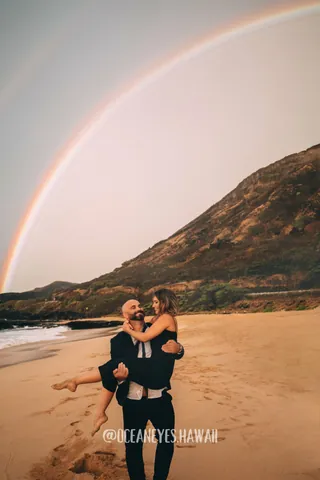
Oahu has two completely different versions of itself, and most visitors only meet one. The island you see at eleven in the morning is loud, hot and full of people. The island at ten past six is a different place: a beach with four people on it, the water the color of mercury, roosters somewhere behind the ironwoods, and a sky going from grey to pink to orange faster than you can decide where to stand.
We photograph at that hour most weeks of the year, and it has turned us into unlikely morning people. Here is what we have learned about where to be and when — including the places that look perfect on a map and don’t work in practice.
What time the sun actually comes up
Hawaii is close enough to the equator that the swing between summer and winter is small — about an hour and twenty minutes — but that hour matters when you are setting an alarm. These are the Honolulu times, and they are good for the whole island to within a minute or two.
| Date | First light | Sunrise |
|---|---|---|
| Early January | 6:47 | 7:09 |
| Late March | 6:13 | 6:34 |
| Mid June | 5:24 | 5:47 |
| Late September | 5:57 | 6:18 |
| Early December | 6:31 | 6:54 |
Two things to take from that table.
First, the best color comes before the sun does. The twenty minutes between first light and sunrise are when the sky actually burns — soft pink and violet over the water, with the clouds lit from underneath. Once the sun clears the horizon you get warm light on faces, which is lovely but different. We ask people to meet us about half an hour before the sunrise time, not at it.
Second, winter is the civilized season for this. A December sunrise at 6:54 means leaving your hotel at six. A June sunrise at 5:47 means leaving at five, in the dark. With kids, or with anyone who is not a morning person, the winter months are an easier sell — and that happens to be when most visitors are here anyway.
The east side: where the sun comes from
The windward coast faces east, so this is where the sun actually rises out of the water. Everything below is on that side, roughly north to south.
1. Lanikai Beach
The famous one, and still worth it. The Mokulua islands sit offshore, directly in the line of the sunrise, so you get the two silhouettes with the sky lighting up behind them. The sand is pale and fine, and the water at dawn is usually glass.
The problem is parking, and it has got stricter. Lanikai is a residential neighborhood with no beach lot, and the city has been adding permanent no-parking signs along Mokulua Drive and ʻAʻalapapa Drive; the restrictions run on weekends and holidays overnight, and there is a daytime ban on much of those streets as well. Enforcement is real, not theoretical. Park at Kailua Beach Park and walk the fifteen to twenty minutes, or get dropped off.
2. Kaʻiwa Ridge — the Lanikai Pillboxes
Twenty minutes of steep, dusty climbing above the same neighborhood puts you on a ridge looking straight down at Lanikai, the Mokuluas and the whole sweep of Kailua Bay. For sunrise it is the single most dramatic view on this list, because you are above the horizon line rather than on it.
Go up in the dark with a headlamp and allow more time than the distance suggests — the first section is loose rock at an unpleasant angle, and it is genuinely slippery when wet. Same parking problem as the beach below, with the same solution. Not a trail for small children in the dark.
3. Kailua Beach Park
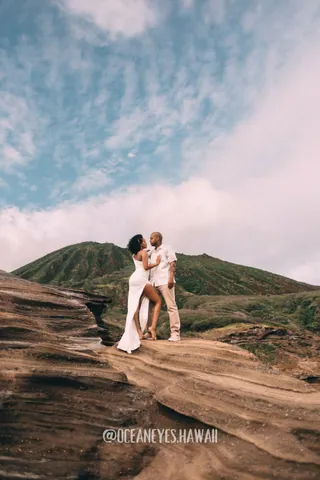
Flatter, easier and much more forgiving: a real parking lot, restrooms, two and a half miles of sand, and a view east over the bay toward Flat Island. The sunrise is a little less theatrical than Lanikai’s because there is no island silhouette in the middle of it, but you can be out of the car and on the sand in two minutes, which with a sleepy family is worth more than drama.
4. Waimanalo
Four miles of sand under the green wall of the Koʻolau, and at dawn usually almost nobody on it. This is the place to go when you want the sunrise and the mountains in the same morning: the first light hits the cliffs behind you and turns them gold while the sky over the water is still pink. Rain showers blow through here constantly, which sounds bad and is actually the reason the windward side produces so many rainbows at this hour.
5. Makapuʻu lookout and the Ka Iwi coast
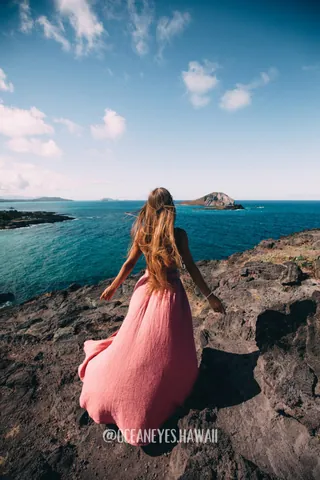
The southeast corner of the island is all cliffs, black rock and open ocean, and the roadside lookouts there are spectacular in the first light. A note that catches a lot of people out: the Makapuʻu Lighthouse Trail itself is inside Kaiwi State Scenic Shoreline, and the park gate does not open until 7:00 a.m. In December the sun is up by 6:54, so the trail is a sunrise hike exactly never — but the lookouts along the highway below are open and give you the same coastline.
In winter, this is also where you watch for whales while you wait.
6. Sandy Beach and Halona
Further along the same coast, the shoreline turns into lava shelves, sea cliffs and a famous blowhole. At sunrise the rock goes from black to copper and the spray catches the light. Stay well back from the water: this stretch has the most dangerous shorebreak on Oahu and the ocean here is not forgiving, especially when you are concentrating on a camera.
7. Kualoa Regional Park
North along the windward coast, Kualoa gives you Mokoliʻi island sitting in the water and a wall of fluted ridges behind. The sun comes up to the right of the island and lights the mountains directly. There is a parking lot, restrooms and a huge lawn. Of everywhere on this list it is the most likely to be completely empty at 6 a.m.
The south shore: sunrise without leaving Waikiki
8. Kaimana Beach and the Diamond Head end of Waikiki
No car, hotel in Waikiki? You still get a sunrise — it just comes up from behind Diamond Head rather than out of the sea. The crater turns into a soft silhouette, the beach is almost empty, and the surfers paddling out give you something to point a camera at. Our Waikiki guide has the detail on the eight spots along that beach.
9. Magic Island, Ala Moana
Ala Moana Beach Park ends in a small peninsula that looks back east toward the crater, so at dawn you get Diamond Head, the lagoon and open water in one frame, with Honolulu waking up behind you. Free parking, the lot opens early, and it is a ten-minute drive from the hotels. This is the one we suggest when somebody says “I want a sunrise, but I am not driving to the other side of the island at five in the morning.”
What the morning is actually like
It will probably rain a little. The trade winds push showers across the windward coast all night, and they usually break up after sunrise. A passing shower at dawn with the sun behind it is how you get a rainbow, so a cloudy forecast is not a reason to cancel — a flat grey sky is, and those are rare here.
Clouds are the whole show. A completely clear morning gives you a plain orange sky and nothing to look at. The mornings people remember have broken cloud sitting low over the water for the sun to light up from below.
It is colder than you expect. Not cold, but 20 °C with wind off the water at 5:30 a.m. feels brisk in a sundress. Bring something with sleeves for the first twenty minutes and take it off when the sun is up.
The wind usually sleeps in. Trades tend to be gentle at dawn and build through the morning, which is the main reason the water looks like glass in photos taken at that hour and choppy in the ones taken at ten.
Coffee is a problem. Most places on the east side open at six or later. Take a thermos from the hotel or accept being caffeine-free for an hour.
How we photograph a sunrise
A few things we have learned, if you are shooting it yourself:
- Expose for the sky, not for faces. The sky has the color; bodies become silhouettes, and silhouettes at dawn look intentional.
- Once the sun is above the horizon, turn around. The best light in the first ten minutes often falls on the mountains behind you, not on the water.
- Wet sand doubles everything. Stand where the last wave has just pulled back and the whole sky appears under your feet.
- Shoot into the sun, with a person between you and it, and let the edges go gold. Lens flare is not a mistake here.
- Keep going for twenty minutes after sunrise. People pack up at the moment the light gets good for faces.
Booking a sunrise session
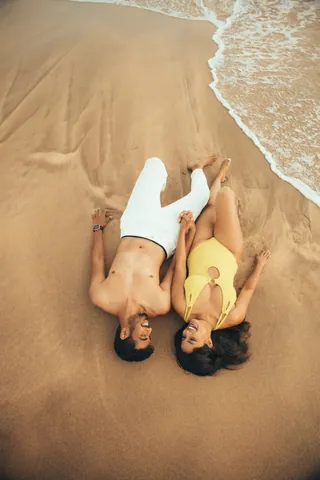
We photograph at dawn more often than at any other time of day, and we will tell you honestly which of these spots suits your morning: where you are staying, whether you have a car, how far you want to walk in the dark, and what the surf is doing that week. A 45-minute mini session is $399 at one location; an hour is $550, plus travel if we are driving out to the windward coast before sunrise.
Have a look at what we shoot on Oahu, at the city spots around Honolulu if the last two on this list are the ones you liked, check the outfit guide before you pack, and write to us on Instagram with your dates. Sunrise slots in winter go first — they are the only ones you can get to without an alarm at four.